
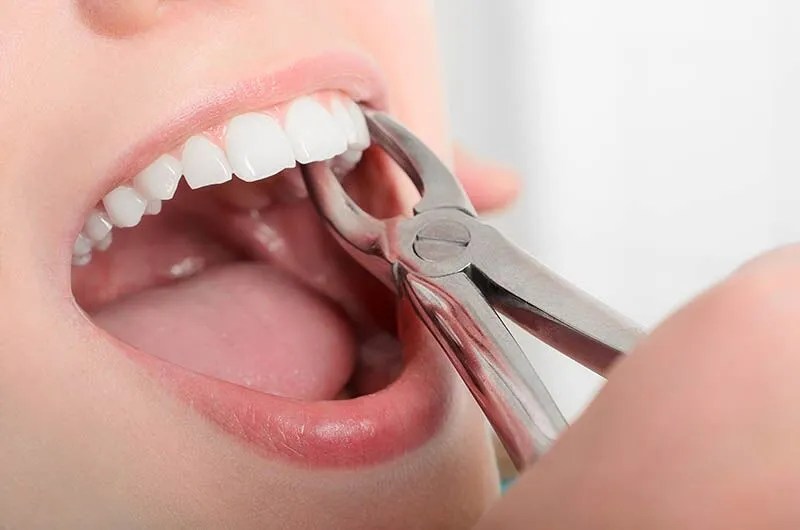
When a tooth becomes severely damaged, infected, overcrowded, or unable to function properly, removing it may sometimes be the best way to protect overall oral health. While the goal of dentistry is always to preserve natural teeth whenever possible, there are situations where a tooth can no longer be restored effectively. In these cases, Tooth Extraction may help relieve discomfort, prevent further complications, and create a healthier foundation for future dental care.
Understanding Why a Tooth May Need to Be Removed
Protecting the Mouth from Further Problems
A tooth may need to be removed for several reasons, including severe decay, advanced gum disease, trauma, infection, or lack of space in the mouth. When damage reaches a point where a filling, crown, or other restorative treatment cannot provide stable support, extraction may be considered. Removing the affected tooth can help prevent the problem from spreading to nearby teeth, gums, or surrounding bone.
In some cases, a tooth may cause ongoing pain or pressure because it is impacted, fractured, or positioned incorrectly. Wisdom teeth are a common example, but other teeth may also create issues if they interfere with bite alignment or neighboring teeth. A dental evaluation helps determine whether extraction is the most appropriate option based on the patient’s symptoms, oral health, and long-term treatment goals.
The Importance of a Professional Evaluation
A Personalized Approach to Dental Decisions
Before recommending a tooth removal procedure, a dentist examines the tooth, gums, jawbone, and surrounding structures. Digital imaging may be used to better understand the tooth’s position, root structure, and relationship to nearby teeth. This step helps ensure that treatment is planned carefully and that the patient understands why the procedure may be needed.
A professional evaluation also allows the dentist to discuss possible alternatives when they are available. If the tooth can be saved through restorative care, that may be considered first. However, when keeping the tooth could lead to ongoing discomfort, infection, or instability, extraction may offer a more practical path toward improved oral health.
What Patients Can Expect During the Process
Comfort, Planning, and Clear Communication
The extraction process is planned with patient comfort in mind. The dental team will explain the procedure, review any necessary instructions, and make sure the patient knows what to expect before treatment begins. Depending on the complexity of the case, the extraction may be simple or may require a more detailed approach, especially if the tooth is impacted or broken below the gumline.
After the tooth is removed, the area begins the healing process. Patients are usually given aftercare instructions to help protect the extraction site and support recovery. Following these instructions carefully can help reduce irritation and promote proper healing.
Supporting Healing After Extraction
Recovery after a dental extraction depends on the location of the tooth, the complexity of the procedure, and the patient’s overall oral health. Rest, proper oral hygiene, and avoiding certain habits during early healing can help the area recover more smoothly. Follow-up care may also be recommended to make sure the extraction site is healing as expected.
Why Aftercare Matters
Aftercare is an important part of the treatment process because the extraction site needs time to form a stable clot and begin tissue repair. Patients may be advised to avoid smoking, drinking through a straw, or disturbing the area during the early healing period. These steps help protect the site and reduce the risk of delayed healing.
Planning for the Next Step
In some cases, removing a tooth may be only one part of a larger dental care plan. If the extracted tooth leaves a visible or functional gap, the dentist may discuss replacement options such as dental implants, bridges, or other restorative solutions. Replacing a missing tooth can help support chewing function, bite balance, and long-term smile stability.
The right replacement option depends on the patient’s needs, oral health, bone support, and personal goals. Planning ahead allows patients to understand how extraction fits into their broader dental care and what steps may help maintain a healthy, functional smile.
A Healthier Path Forward
Although the idea of removing a tooth can feel stressful, the procedure may play an important role in protecting oral health when a tooth is no longer stable or restorable. With careful planning, clear communication, and proper aftercare, Tooth Extraction can help relieve discomfort, prevent further dental problems, and support a stronger foundation for future treatment. For patients facing ongoing tooth pain, infection, or structural damage, a professional evaluation can provide the guidance needed to move forward with confidence.

